WYL Pharmacies
How to Treat Athlete’s Foot with Guidance from Our Swindon Pharmacy
14Sep2026
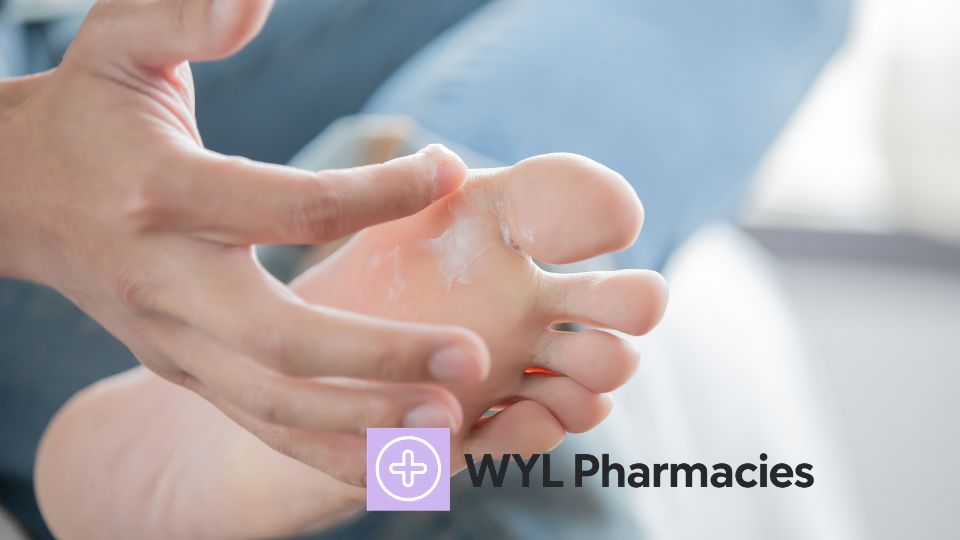
Athlete’s foot is a common fungal infection treated most effectively with antifungal creams, sprays, or powders available from your local pharmacy. Good foot hygiene practices are equally important to prevent it from returning. It is caused by fungi called dermatophytes, which thrive in the warm, moist environments found in shoes and socks. The infection most commonly affects the skin between the toes, causing itching, burning, flaking, and sometimes cracking or blistering. Most mild to moderate cases of athlete’s foot can be successfully treated at home within two to four weeks using over-the-counter antifungal products, though more persistent or severe cases may require prescription-strength treatment. Our trained pharmacists at WYL Pharmacies in Swindon can assess your symptoms and recommend or supply the most appropriate treatment under our Minor Ailments Service, with no GP appointment required.
Get fast, expert advice on treating athlete’s foot at WYL Pharmacies Swindon today. Book a consultation today.
Key Takeaways
- Athlete’s foot is caused by a fungal infection and is treated with antifungal creams, sprays, or powders available from your pharmacy.
- The most effective over-the-counter antifungal ingredients include clotrimazole, terbinafine, and miconazole.
- Treatment should be continued for the full recommended course even after symptoms improve, to prevent recurrence.
- Good foot hygiene, including keeping feet clean and dry, is essential for both treatment and prevention.
- WYL Pharmacies in Swindon can assess and treat athlete’s foot under the Minor Ailments Service, no GP appointment needed.
- Persistent, spreading, or recurring athlete’s foot should always be assessed by a healthcare professional to rule out other causes or the need for prescription treatment.
What Causes Athlete’s Foot?
Athlete’s foot, known medically as tinea pedis, is one of the most common fungal skin infections in the UK, affecting millions of people every year. Despite its name, it is not limited to athletes and can affect anyone who creates the conditions in which the causative fungi can thrive. The fungi responsible, known as dermatophytes, feed on keratin, the protein found in the outer layers of skin, hair, and nails, making the feet a particularly vulnerable area given the warm, enclosed environment created by shoes and socks.
The infection is highly contagious and spreads easily through direct contact with infected skin or through contaminated surfaces such as changing room floors, swimming pool surrounds, shared towels, and footwear. This is why communal changing areas and swimming pools are among the most common places where athlete’s foot is picked up. People whose feet sweat heavily, those who wear occlusive footwear for long periods, and those with a weakened immune system are at a higher risk of developing the infection.
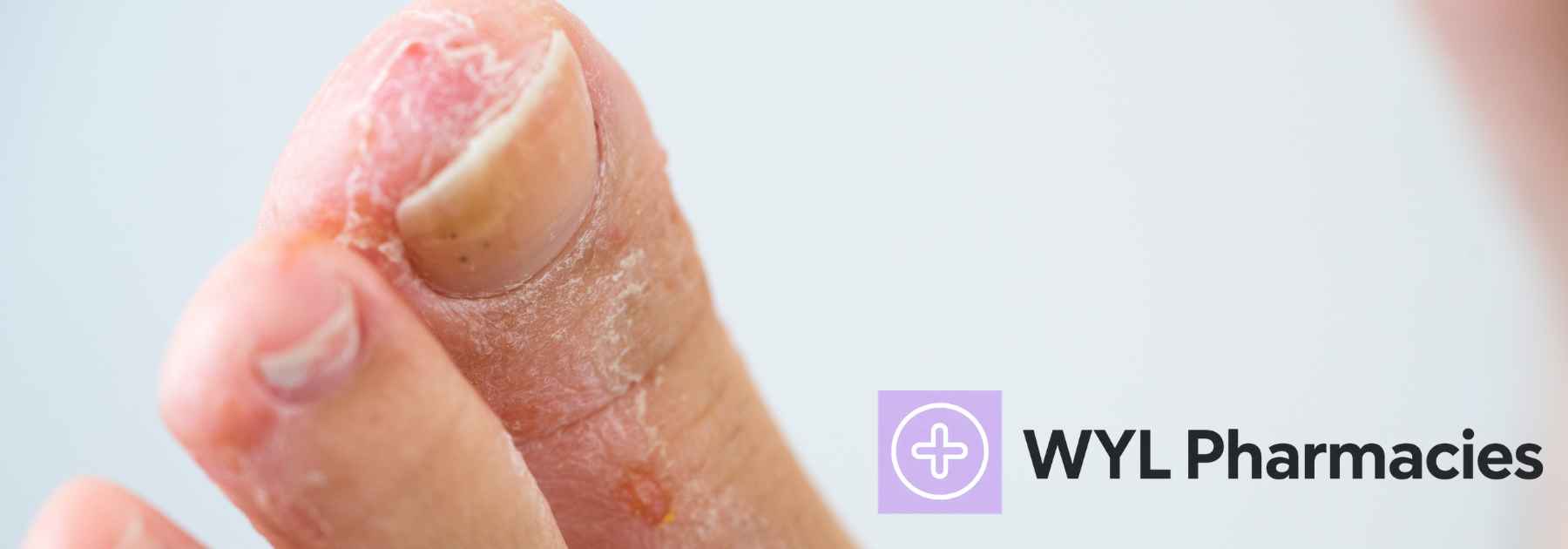
Athlete’s foot can present in several different ways depending on the type of fungal organism involved and the area of the foot affected. The most common presentation is the interdigital type, which causes itching, scaling, and cracking between the toes, particularly between the fourth and fifth toes. The moccasin type causes chronic dryness and scaling across the sole and sides of the foot, while the vesicular or blistering type produces small, fluid-filled blisters, most commonly on the sole or instep of the foot.
How to Treat Athlete’s Foot: Antifungal Treatments
The cornerstone of athlete’s foot treatment is the use of a topical antifungal product, applied consistently and for the full recommended duration. Choosing the right product and using it correctly is the most important factor in achieving a full and lasting cure.
Clotrimazole
Clotrimazole is one of the most widely available and well-established antifungal treatments for athlete’s foot and is found in products such as Canesten. It belongs to the azole class of antifungals and works by disrupting the fungal cell membrane, preventing the fungus from growing and reproducing. Clotrimazole cream or spray is typically applied two to three times daily for four weeks and is suitable for most adults and older children. It is well-tolerated by most people, with only mild and temporary skin irritation reported in some cases.
Terbinafine
Terbinafine, available in products such as Lamisil, is an allylamine antifungal that works by inhibiting an enzyme essential to fungal cell membrane production. Unlike azole antifungals, it is directly fungicidal, meaning it actively kills the fungus rather than simply stopping it from growing. This means it actively kills the fungus rather than just stopping it from growing, which can make it a faster-acting option than azole antifungals for some people. Terbinafine cream is typically applied once or twice daily for one to two weeks, making it a convenient choice for those who prefer a shorter treatment course. It is widely regarded as one of the most effective over-the-counter options for athlete’s foot.
Miconazole
Miconazole is another azole antifungal available in creams and powders and is an effective option for treating athlete’s foot. It is applied twice daily and works in a similar manner to clotrimazole by interfering with fungal cell membrane synthesis. If a previous antifungal treatment has not worked as expected, it is worth speaking to a pharmacist first to check that the product has been used correctly and that the diagnosis is confirmed, before considering a switch to an alternative treatment. Miconazole-containing powders can be particularly useful for maintaining dryness in the affected area while delivering antifungal treatment simultaneously, making them a practical choice for people whose feet tend to sweat heavily.
Antifungal Sprays and Powders
For those who find creams uncomfortable between the toes or who have particularly sweaty feet, antifungal sprays and powders offer a practical alternative. Sprays are easy to apply to hard-to-reach areas and dry quickly, while powders help absorb moisture and create an environment that is less conducive to fungal growth. The most important thing is to choose one suitable antifungal product and use it consistently according to the product instructions, unless a pharmacist advises otherwise. Antifungal powders can also be used in shoes and socks as a preventative measure once treatment is complete, helping to reduce moisture and discourage fungal regrowth.
Treat Athlete’s Foot Without Seeing Your GP
At WYL Pharmacies in Swindon, athlete’s foot is one of the many conditions our pharmacists can assess and treat under our Minor Ailments Service. Our team can examine your symptoms, confirm the diagnosis, and recommend or supply the most appropriate antifungal treatment, including prescription-strength options where needed, all without requiring a GP appointment. It is faster, more convenient, and means you can start treatment sooner.
Getting expert advice on athlete’s foot treatment is straightforward at WYL Pharmacies Swindon. Call our team today and we will be happy to help.
How Long Does Athlete’s Foot Take to Clear Up?
The time it takes for athlete’s foot to clear up depends on the severity of the infection, the type of antifungal treatment used, and how consistently it is applied. Mild cases treated promptly with an effective antifungal such as terbinafine can begin to show improvement within a few days and may resolve fully within one to two weeks. More stubborn or long-standing infections, particularly those involving significant skin thickening or nail involvement, may take considerably longer and may require a course of oral antifungal treatment.
One of the most common reasons athlete’s foot recurs or fails to clear is stopping treatment too soon. Even when symptoms have visibly improved or disappeared, the fungus may still be present in the skin and capable of causing a recurrence if treatment is discontinued early. It is important to complete the full recommended course of treatment, which is typically between one and four weeks depending on the product used, to ensure the infection has been fully eradicated.

Essential Foot Hygiene Tips for Treating and Preventing Athlete’s Foot
Antifungal treatment is most effective when combined with good foot hygiene practices that reduce the conditions in which fungi thrive. These measures are equally important for preventing athlete’s foot from returning once treatment is complete.
Washing your feet daily with soap and water and drying them thoroughly afterwards, particularly between the toes, is the single most important hygiene step. Fungi flourish in moisture, so ensuring the skin between the toes is completely dry after bathing or swimming is essential. Using a dedicated towel for your feet and washing it frequently can also help to prevent re-infection and avoid spreading the fungus to other parts of the body or to other people in your household.
Wearing breathable footwear made from natural materials such as leather or canvas significantly reduces moisture build-up. Alternating shoes daily to allow them to dry out fully between wears is also recommended. Cotton socks, changed daily or more frequently if feet sweat heavily, are preferable to synthetic materials. Using an antifungal powder in shoes as a preventative measure once treatment is complete can also help to reduce the risk of recurrence.
In communal areas such as swimming pools, changing rooms, and gym showers, wearing flip-flops or shower shoes at all times is one of the most effective ways to avoid picking up athlete’s foot in the first place. Avoiding sharing towels, socks, or footwear with others is equally important, as the fungi can transfer easily between people through these routes.
When Should I See a Healthcare Professional?
While most cases of athlete’s foot respond well to over-the-counter treatment, there are certain situations where professional assessment is important. You should seek advice from a pharmacist or GP if your symptoms have not improved after two to four weeks of consistent treatment. You should also seek help if the infection is spreading to other areas of the body, or if the skin is severely cracked, painful, or showing signs of a bacterial infection such as redness, warmth, swelling, or discharge.
People with diabetes should be particularly vigilant about foot infections of any kind and should seek professional assessment at the first sign of athlete’s foot rather than attempting to self-treat. Fungal infections in people with diabetes can progress more rapidly and carry a higher risk of complications, making early professional involvement especially important. Similarly, those who are immunocompromised or have circulatory problems affecting the feet should seek prompt professional advice rather than relying solely on over-the-counter products.
If over-the-counter treatments have failed or the infection is severe, a GP may prescribe an oral antifungal medication such as terbinafine tablets or itraconazole, which work systemically to tackle the infection from within. Oral antifungals are generally reserved for more difficult or widespread cases and are significantly more effective for nail infections than topical treatments alone.
When self-treatment is not enough, contact us to book an assessment today and our team will help you get on top of it.
Frequently Asked Questions
Our team at WYL Pharmacies in Swindon has put together answers to the questions patients ask us most about athlete’s foot and the best ways to treat it.
Can athlete’s foot go away on its own?
In some very mild cases, athlete’s foot may resolve without treatment, but this is uncommon and the infection is more likely to persist or worsen without the use of an antifungal product. Treating it promptly with an appropriate antifungal is always recommended to prevent the infection from spreading or becoming established in the nails.
Is athlete’s foot contagious?
Yes, athlete’s foot is highly contagious and can spread to other people through direct contact with infected skin or through contaminated surfaces such as changing room floors, shared towels, and footwear. During treatment, it is important to avoid sharing personal items and to wear footwear in communal areas to prevent spreading the infection to others or picking it up again yourself.
Why does my athlete’s foot keep coming back?
Recurrent athlete’s foot is usually the result of stopping treatment too early before the infection has been fully eradicated, or of failing to address the environmental factors that allow the fungus to thrive, such as sweaty feet, non-breathable footwear, or exposure to communal changing areas. Completing the full recommended treatment course and maintaining good foot hygiene practices afterwards significantly reduces the risk of recurrence.
Can athlete’s foot spread to my nails?
Yes, if left untreated or inadequately treated, athlete’s foot can spread to the toenails and cause a fungal nail infection, known as onychomycosis, which is characterised by thickened, discoloured, and brittle nails. Nail infections are significantly more difficult to treat than skin infections and often require a prolonged course of oral antifungal medication, which is why treating athlete’s foot promptly and thoroughly is so important.
Can a pharmacist treat athlete’s foot?
Yes, at WYL Pharmacies in Swindon, athlete’s foot is assessed and treated under our Minor Ailments Service, meaning our pharmacists can recommend or supply appropriate antifungal treatment, including prescription-strength products where clinically indicated, without requiring a GP appointment. Simply walk in or book an appointment at your convenience for fast, expert advice, and receive treatment for a variety of other conditions including nasal congestion, earache, hay fever, sprains and strains, and more.
Can children get athlete’s foot?
Yes, children can develop athlete’s foot, particularly those who use communal changing facilities for swimming or sport, though it is less common in younger children than in teenagers and adults. Age suitability varies depending on the specific antifungal product and formulation. For example, some treatments such as terbinafine cream are not recommended for children under 16, while others such as clotrimazole may be suitable for younger children. Always check the product label for age restrictions and speak to a pharmacist before using any antifungal treatment on a child.
Expert Athlete’s Foot Treatment in Swindon
Athlete’s foot is an uncomfortable and persistent condition, but with the right antifungal treatment and good foot hygiene practices, most cases can be resolved quickly and effectively. Getting the right advice early is key to a fast recovery, whether you are dealing with athlete’s foot for the first time or struggling with an infection that keeps coming back.
With our Minor Ailments Service at WYL Pharmacies in Swindon, you can access the right treatment quickly and conveniently without needing to see a GP first. Our trained pharmacists can assess your symptoms, recommend the most appropriate antifungal product, and supply prescription-strength treatment where needed, all in a single, convenient visit. Come and see us today and take the first step towards healthy, comfortable feet.
Book your athlete’s foot assessment at WYL Pharmacies Swindon and get the right treatment today.
Disclaimer: The information provided in this blog post is intended for general informational and educational purposes only and does not constitute medical advice. Always consult a qualified medical professional or healthcare provider before starting any treatment or healthcare programme. Individual medical circumstances vary and only a qualified professional can advise on what is appropriate for your specific needs.
☑ Clinically Reviewed by Pharmacy Mentor
A pharmacist reviews the content to help ensure medicines are presented responsibly and that patient facing health information is accurate, appropriate, and aligned with current clinical guidance.
Last reviewed: 17 September 2026
Written on behalf of WYL Pharmacies by Pharmacy Mentor.