WYL Pharmacies
Athlete’s Foot Cream: Expert Advice and Guidance
03Oct2025
Athlete’s foot is a common fungal infection that affects the skin on the feet, often starting between the toes. It can cause itching, redness, and discomfort, but with the right treatment it is usually easy to manage. One of the most effective treatment options is athlete’s foot cream. At WYL Pharmacies in Swindon, we provide expert advice and treatment options to help you get relief and prevent the infection from returning.
What Is Athlete’s Foot?
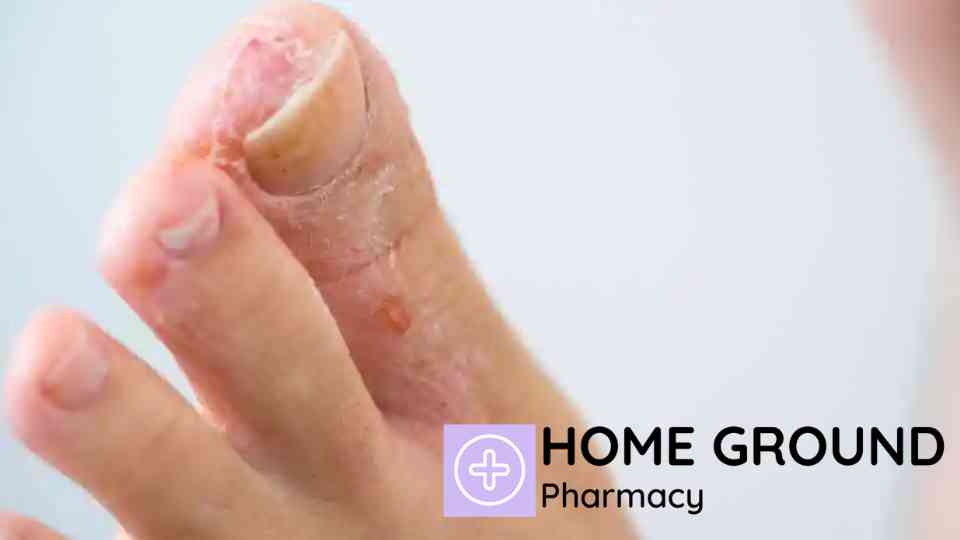
Athlete’s foot, also known as tinea pedis, is caused by fungi that thrive in warm, moist environments such as swimming pools, gyms, and communal showers. It is contagious and can spread through direct contact with infected skin or surfaces like floors, socks, or towels.
Common Symptoms
Signs you may have athlete’s foot include:
- Itching and burning between the toes
- Red, scaly, or peeling skin
- Cracked skin that may be painful
- Blisters in more severe cases
- Unpleasant foot odour
Without treatment, the infection can spread to other parts of the foot, toenails, or even to your hands.
How Athlete’s Foot Cream Works
Athlete’s foot creams are antifungal treatments that work by killing the fungi responsible for the infection or preventing them from multiplying. They are applied directly to the affected area, targeting the infection at its source. With regular use, most creams clear up symptoms within a few weeks.
Types of Athlete’s Foot Cream
- Clotrimazole cream: A widely used antifungal cream that treats athlete’s foot and other fungal infections.
- Miconazole cream: Effective against both fungi and certain bacteria, making it suitable for infections that may have secondary bacterial involvement.
- Terbinafine cream: Known for its fast action, often providing relief more quickly than other antifungals.
- Econazole cream: Another option used for a range of fungal infections, including athlete’s foot.
At WYL Pharmacies, our pharmacists can recommend the most appropriate cream for your symptoms and needs.

How to Use Athlete’s Foot Cream
For the best results, it’s important to use athlete’s foot cream correctly:
- Wash and dry your feet thoroughly before applying the cream.
- Apply a thin layer of cream to the affected area and surrounding skin.
- Wash your hands after application to prevent spreading the infection.
- Continue treatment for as long as directed, even if symptoms improve quickly.
Consistency is key—stopping treatment too soon can allow the infection to return.
Preventing Athlete’s Foot
In addition to using athlete’s foot cream, there are simple steps you can take to prevent reinfection:
- Keep your feet clean and dry, especially between the toes.
- Change socks daily and choose breathable footwear.
- Avoid sharing shoes, socks, or towels with others.
- Wear flip-flops in communal showers or pool areas.
- Use antifungal powder or spray in shoes if you are prone to infections.
By combining treatment with good foot hygiene, you can reduce the risk of athlete’s foot returning.
When to Seek Medical Advice
While most cases of athlete’s foot respond well to over-the-counter creams, you should speak to a pharmacist or doctor if:
- Your symptoms don’t improve after a couple of weeks of treatment
- The infection spreads to your toenails
- You develop severe blisters, swelling, or pain
- You have diabetes or a weakened immune system
In these cases, stronger medication or further assessment may be required.

Athlete’s Foot Treatment at WYL Pharmacies
At WYL Pharmacies in Swindon, we provide a range of athlete’s foot creams and antifungal treatments, along with expert advice on how to use them effectively. Our pharmacists can guide you on the best option for your symptoms and provide tips on preventing reinfection. We are here to help you restore comfort and keep your feet healthy.
Schedule Your Consultation
For those dealing with athlete’s foot and looking for professional advice on the best cream to use, our team at WYL Pharmacies is here to support you. We provide safe, effective treatment options and guidance tailored to your needs.
Book now to arrange a consultation and find the right treatment for athlete’s foot today.
This blog was written on behalf of WYL Pharmacies by Pharmacy Mentor.