WYL Pharmacies
What is the Meningitis Glass Test? – Your Guide from WYL Pharmacies Swindon
06May2026
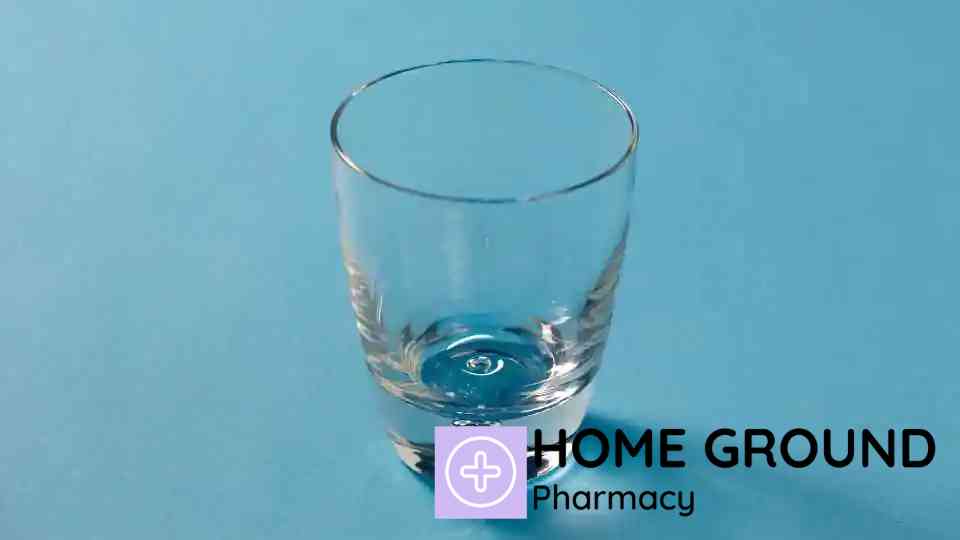
The meningitis glass test is a simple but potentially life-saving check that can help identify one of the most serious warning signs of meningococcal meningitis or septicaemia — a distinctive red or purple rash that does not fade when pressure is applied to it. To perform the test, press the side of a clear glass firmly against the rash: if the spots or blotches remain visible through the glass and do not disappear under pressure, this is known as a non-blanching rash and is a medical emergency requiring an immediate 999 call. At WYL Pharmacies in Swindon, we believe that knowing how to recognise the signs of meningitis — and understanding the vital role vaccination plays in preventing it — could one day save your life or the life of someone you love.
Protect yourself and your family against meningitis — book your vaccination consultation at WYL Pharmacies Swindon today.
Key Takeaways
- The glass test checks whether a rash fades under pressure — if it does not, it may indicate meningococcal septicaemia and requires an immediate 999 call.
- A non-blanching rash is a late-stage sign of meningitis — do not wait for a rash before seeking help if other symptoms are present.
- Meningitis can affect anyone, but is most common in babies, young children, teenagers, and young adults.
- Vaccination is the most effective way to protect against the most common causes of bacterial meningitis in the UK.
- Symptoms can include severe headache, stiff neck, sensitivity to light, high fever, vomiting, and confusion — even without a rash.
- At WYL Pharmacies in Swindon, we offer meningitis vaccinations and can advise on whether you or your family are up to date with protection.
Why is Meningitis so Dangerous?
Meningitis is an inflammation of the membranes — known as the meninges — that surround the brain and spinal cord. It can be caused by bacteria, viruses, or, less commonly, fungi. Bacterial meningitis is the most severe form and can progress from the first symptoms to life-threatening illness within hours, which is why prompt recognition and action are so critical.
Meningococcal disease — caused by the bacterium Neisseria meningitidis — is the leading cause of bacterial meningitis in the UK and can simultaneously trigger septicaemia (blood poisoning), which is responsible for the characteristic rash that the glass test is designed to detect. Even with prompt treatment, bacterial meningitis can result in serious complications including hearing loss, brain damage, limb amputation, and in some cases, death. This is why awareness, early recognition, and vaccination are all so important.
How to Perform the Meningitis Glass Test
The glass test is one of the most widely promoted public health tools for identifying a potentially life-threatening rash. Here is how to do it correctly:
- Look for a rash of small red, pink, or purple spots, blotches, or bruise-like marks anywhere on the body.
- Press the side of a clear drinking glass firmly against the rash so the skin flattens under the glass.
- Look through the glass while pressing. If the spots fade or disappear, the rash is likely not related to septicaemia.
- If the spots do not fade and remain clearly visible through the glass — call 999 immediately. Do not wait.
- Symptoms can include severe headache, stiff neck, sensitivity to light, high fever, vomiting, and confusion — even without a rash.
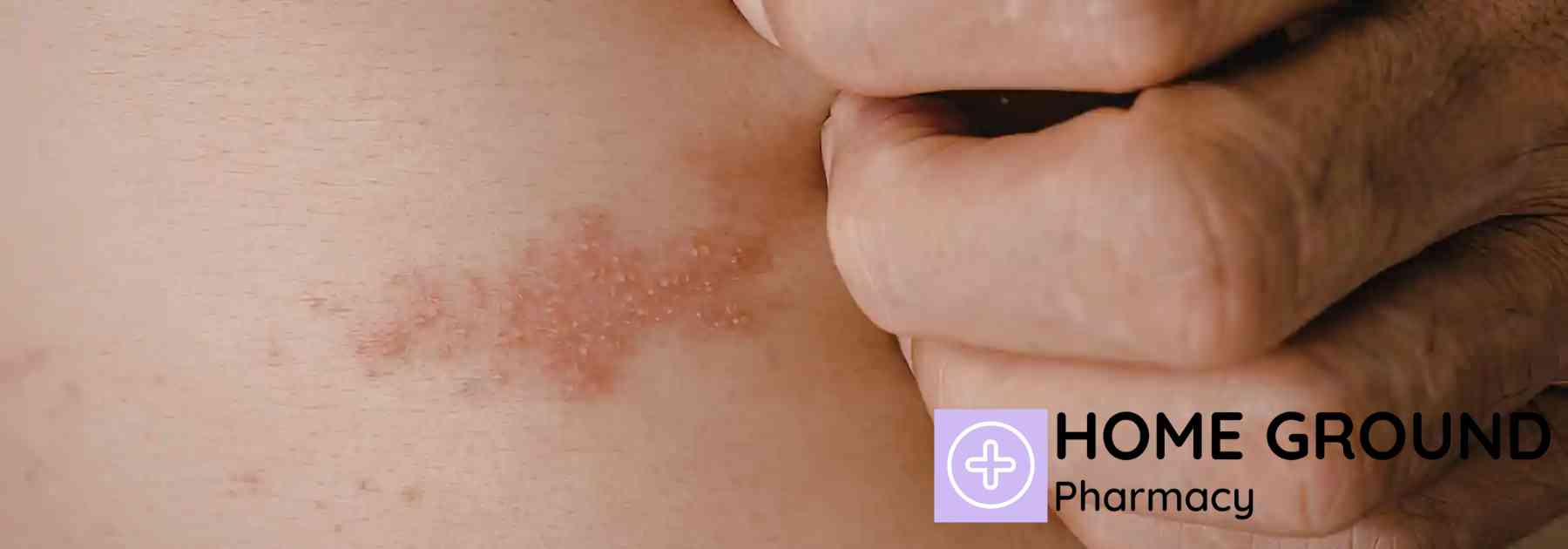
It is important to note that on darker skin tones, the rash may be harder to spot. In these cases, check areas where the skin is paler, such as the palms of the hands, soles of the feet, the roof of the mouth, the inner eyelids, or the whites of the eyes.
Recognising the Other Symptoms of Meningitis
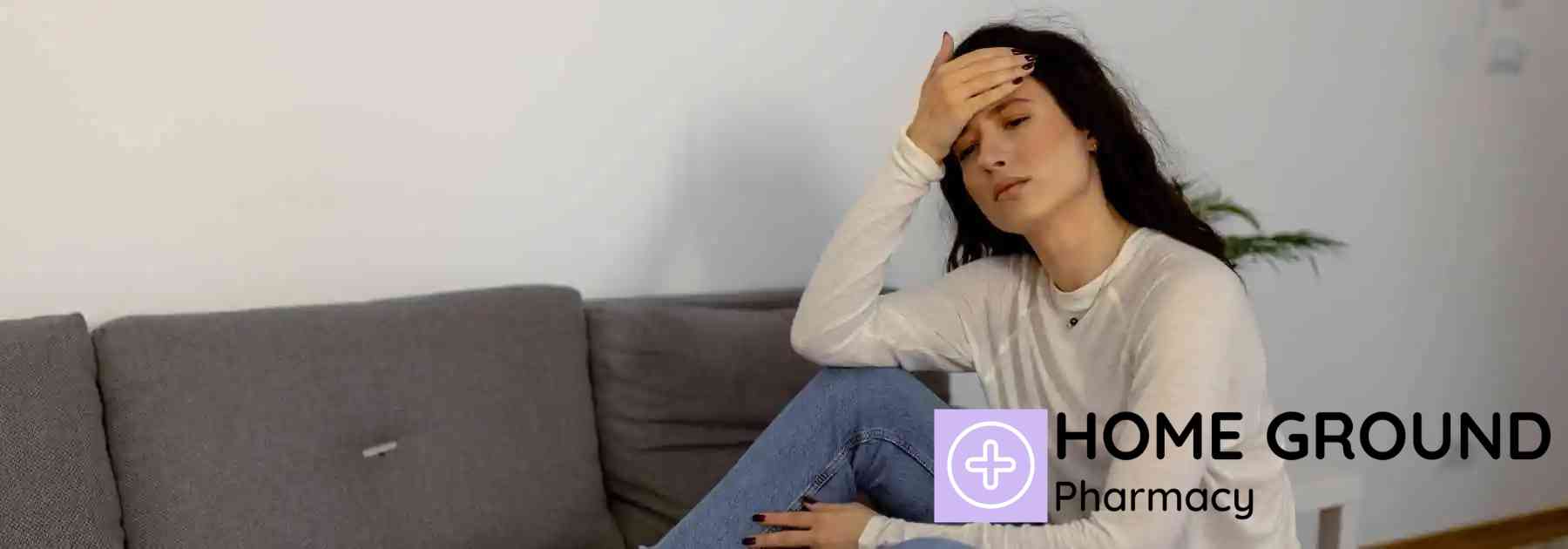
Because the rash associated with meningococcal disease is often a late sign, it is essential to be familiar with the full range of symptoms that can appear earlier in the illness. In adults and older children, these can include a sudden severe headache, a high temperature, vomiting, a stiff neck, sensitivity to bright light (photophobia), sensitivity to loud noise (phonophobia), seizures, and a general feeling of being extremely unwell.
In babies and young infants, symptoms can present differently and may include a bulging fontanelle (the soft spot on the top of the head), a high-pitched unusual cry, refusing feeds, being unusually sleepy or difficult to wake, pale or mottled skin, and a tense or stiff body. Symptoms can appear in any order and not all symptoms will necessarily be present at the same time — trust your instincts if something feels seriously wrong.
Worried about whether your family’s meningitis vaccinations are up to date? Call our team at WYL Pharmacies Swindon and we will be happy to check and advise.
How Vaccination Protects Against Meningitis
Vaccination remains the single most effective tool we have for preventing bacterial meningitis. In the UK, the NHS immunisation programme includes several meningitis-related vaccines as part of the routine childhood schedule, including protection against meningococcal groups B (MenB), C, W, and Y, as well as Haemophilus influenzae type b (Hib) and Streptococcus pneumoniae (pneumococcus), which can also cause meningitis.
However, vaccine coverage can have gaps — particularly in teenagers, young adults, and those who have missed doses in childhood. The MenACWY vaccine is routinely offered to teenagers and first-year university students in the UK, as this age group has a higher risk of carrying and spreading meningococcal bacteria. Travellers to certain regions, including parts of sub-Saharan Africa, may also require additional meningitis vaccination before departure. Select your destination in the form below to discover whether the vaccine is recommended for you:
At WYL Pharmacies in Swindon, our trained pharmacists can provide travel-related meningitis vaccinations and advise on whether you or your family members may benefit from additional protection based on your age, travel plans, or medical history. Contact us to book your vaccination consultation today.
Frequently Asked Questions
Below, our team at WYL Pharmacies in Swindon answers the questions we are asked most frequently about the meningitis glass test and meningitis awareness.
Can the glass test give a false negative result?
Yes — the glass test is not a definitive diagnostic tool, and a rash that fades under pressure does not rule out meningitis. Many cases of bacterial meningitis and septicaemia do not produce a non-blanching rash at all, especially in the early stages, so you should always act on the full picture of symptoms rather than relying on the glass test alone.
What should I do if the rash passes the glass test but the person still seems very unwell?
If someone appears seriously unwell with symptoms consistent with meningitis — such as a severe headache, stiff neck, high fever, or confusion — you should call 999 regardless of whether the rash fades under the glass. Meningitis is a medical emergency and should never be managed by a wait-and-see approach.
Who is most at risk of meningitis?
Meningitis can affect people of all ages, but the highest risk groups include babies and children under five, teenagers and young adults aged 15 to 24, and people with weakened immune systems or those who have had their spleen removed. University students living in halls of residence are also considered a higher-risk group due to close-contact living environments.
Is meningitis contagious?
The bacteria that cause meningococcal meningitis can be spread through close and prolonged contact with an infected person, for example through coughing, sneezing, or kissing — but it is not as easily transmitted as a cold or flu. Most people who come into contact with the bacteria do not become ill, as many carry it harmlessly in the back of the throat without developing any symptoms.
Are there meningitis vaccinations available for adults?
Yes — while many meningitis vaccines are delivered as part of the childhood immunisation schedule, adults can also access certain meningitis vaccinations, particularly those travelling to high-risk regions or those in specific at-risk groups. At WYL Pharmacies in Swindon, we can advise on and administer appropriate travel-related meningitis vaccines — get in touch to find out more.
Can viral meningitis be detected with the glass test?
The glass test is specifically designed to detect the non-blanching rash associated with meningococcal bacterial meningitis and septicaemia – viral meningitis does not typically produce this type of rash. Viral meningitis is generally less severe than bacterial meningitis, but it still requires medical attention, and anyone with symptoms of meningitis should seek urgent medical advice regardless of the cause.
Stay Informed on Meningitis
The meningitis glass test is a simple, powerful tool that every parent, carer, teacher, and individual should know how to use. But awareness of the rash is only one piece of the puzzle — understanding the full range of symptoms, knowing when to act, and ensuring your vaccinations are up to date are all equally important steps in protecting yourself and those around you from this devastating illness.
At WYL Pharmacies in Swindon, we are committed to helping our community stay informed and protected. Whether you have questions about meningitis symptoms, want to check your vaccination history, or need a travel health consultation before heading to a higher-risk destination, our knowledgeable and friendly pharmacists are here to help — no GP appointment needed.
Take the next step in protecting your family against meningitis — book your vaccination consultation at WYL Pharmacies Swindon today.
Disclaimer: The information provided in this blog post is intended for general informational and educational purposes only and does not constitute medical advice. If you suspect meningitis or any other serious medical condition, call 999 immediately. Always consult a qualified medical professional or healthcare provider before starting any vaccination, treatment, or healthcare programme. Individual medical circumstances vary and only a qualified professional can advise on what is appropriate for your specific needs.
☑ Clinically Reviewed by Pharmacy Mentor
A pharmacist reviews the content to help ensure medicines are presented responsibly and that patient facing health information is accurate, appropriate, and aligned with current clinical guidance.
Last reviewed: 6 May 2026
Written on behalf of WYL Pharmacies by Pharmacy Mentor.