WYL Pharmacies
How to Heal a Sprained Ankle Overnight: Quick Recovery Tips
29Oct2025
A sprained ankle is one of the most common injuries, often caused by twisting or rolling the ankle during everyday activities or sports. While it’s unrealistic to expect a severe sprain to fully heal overnight, there are steps you can take to significantly reduce pain and swelling within 24 hours. At WYL Pharmacies in Swindon, we provide advice and treatments for minor ailments, including sprains and strains, to help you recover faster and safely.
What Is a Sprained Ankle?
A sprain occurs when the ligaments — the tough bands of tissue connecting bones — are stretched or torn due to sudden twisting or impact. The severity of a sprain can vary from mild to severe, depending on how much damage has been done to the ligaments.
Common Symptoms
- Pain, especially when bearing weight
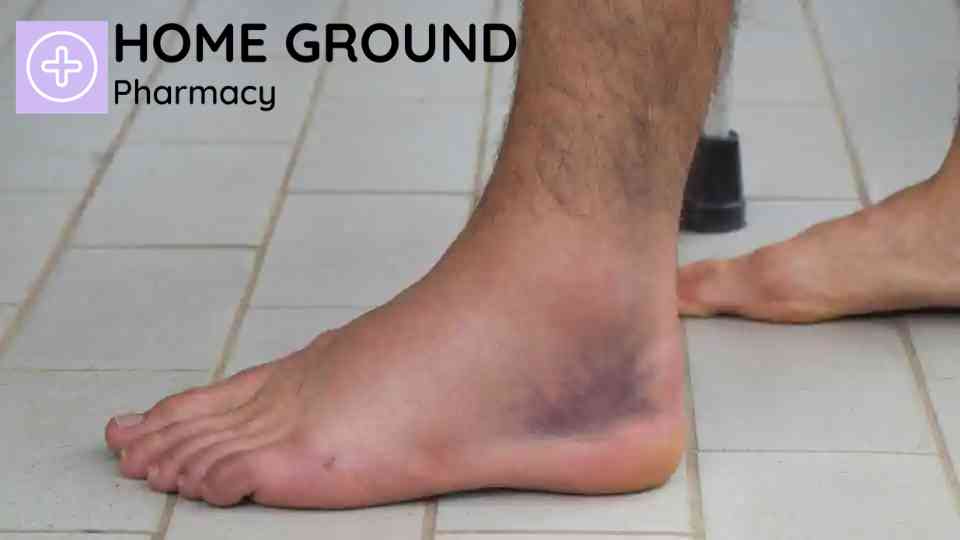
- Swelling and bruising around the joint
- Limited range of motion
- Tenderness or warmth around the ankle
- Instability or weakness when walking
Most mild to moderate sprains can be managed at home with proper care. However, severe cases may require professional medical assessment to rule out fractures or significant ligament tears.

How to Reduce Pain and Swelling
While you can’t completely heal a sprained ankle overnight, early treatment can dramatically reduce discomfort and speed up recovery. The goal is to control inflammation, minimise swelling, and support the injured joint.
1. Follow the R.I.C.E. Method
The R.I.C.E. method — Rest, Ice, Compression, and Elevation — is one of the most effective ways to manage a sprain immediately after injury.
- Rest: Avoid putting weight on the injured ankle. Use crutches or a supportive brace if needed.
- Ice: Apply a cold compress or ice pack wrapped in a cloth for 15–2o minutes every two to three hours. This helps reduce swelling and numb pain.
- Compression: Use an elastic bandage or ankle support to reduce swelling, but make sure it’s not too tight as it can restrict circulation.
- Elevation: Keep your ankle raised on pillows above the level of your heart, especially overnight, to help drain excess fluid and reduce swelling.
2. Use Over-the-Counter Pain Relief
Non-prescription pain relievers such as ibuprofen or paracetamol can help ease pain and inflammation. Anti-inflammatory gels or sprays can also be applied directly to the affected area. Always follow the directions on the label or consult your pharmacist for advice.
3. Support the Ankle
Using an ankle brace or elastic support can help stabilise the joint and prevent further injury while it heals. Avoid high-impact activities such as running or jumping until the pain has subsided and mobility has returned.
4. Gentle Movement
After the first 24 hours, try gently moving your ankle within a pain-free range. Simple ankle circles or flexing your foot up and down can help prevent stiffness and improve circulation. However, stop immediately if you experience sharp pain or discomfort.
What Not to Do After a Sprain
Some actions can make a sprain worse or delay recovery. Be cautious and avoid the following:
- Applying heat during the first 48 hours, as this can increase swelling.
- Massaging the injured area too soon after the injury.
- Continuing to exercise or play sports before the ankle has healed.
- Ignoring severe pain, bruising, or difficulty walking — these could indicate a fracture or serious ligament damage.
If your pain worsens or you’re unable to bear weight after 24–48 hours, it’s important to seek medical advice. A healthcare professional can examine your ankle, recommend imaging if needed, and provide appropriate treatment.
Pharmacy Treatments for Sprains and Strains
At WYL Pharmacies in Swindon, we offer support and advice for minor ailments including sprains, strains, and joint pain. Our pharmacy team can recommend over-the-counter pain relief, cooling gels, and compression supports to help you recover comfortably at home.
Our Services Include:
- Expert Advice: Guidance on how to manage sprains safely and when to seek further medical care.
- Topical Treatments: Pain-relieving creams and anti-inflammatory gels for targeted relief.
- Support Products: Elastic bandages, ankle supports, and braces to aid recovery and prevent reinjury.
- Minor Ailments Service: Professional help for everyday conditions such as strains, joint pain, and muscular injuries — without needing a GP appointment.
Our pharmacists are trained to assess mild sprains and provide effective self-care advice or referral if further medical attention is required.

When to See a Doctor
While most sprains improve with home care, some cases need further assessment. You should seek medical help if you experience:
- Severe pain that doesn’t improve with rest or painkillers
- Inability to walk or put weight on your ankle
- Significant swelling or bruising spreading up the leg
- Visible deformity or a “popping” sound at the time of injury
In these situations, an X-ray or medical examination may be required to rule out fractures or severe ligament damage.
Recover Quickly and Safely
Although it’s not possible to completely heal a sprained ankle overnight, the right treatment can dramatically reduce pain and swelling, helping you recover faster. Following the R.I.C.E. method, using appropriate pain relief, and supporting the ankle properly are key steps towards a safe recovery.
For professional advice and effective over-the-counter treatments, visit WYL Pharmacies in Swindon. Our friendly team can help you manage your symptoms and prevent future injuries.
Book now to speak with one of our pharmacists and get expert care for sprains, strains, and other minor injuries.
This blog was written on behalf of WYL Pharmacies by Pharmacy Mentor.